Cost of Renting in Singapore (Updated 2026)

Admin @zrooom 29-May-2026
Introduction
Singapore remains one of the most expensive cities in Asia for housing, and accommodation is often the largest monthly expense for both locals and foreigners living in the city.
Whether you are relocating to Singapore for work, studying at a local university, or simply looking for a more affordable housing arrangement, understanding current rental prices is essential before making a decision.
Rental costs in Singapore vary significantly depending on factors such as location, property type, room size, MRT accessibility, furnishing quality, and included services.
In this guide, we break down the actual cost of renting in Singapore in 2026, including room rental prices, condominium versus HDB costs, utilities, and the hidden expenses many renters overlook.
How Much Does It Cost to Rent a Room in Singapore?
For most individuals, renting a room remains the most affordable housing option.
As a general guide in 2026:
Budget compact rooms typically range from SGD 600 to SGD 900 per month.
Common rooms typically range from SGD 1,000 to SGD 1,600 per month.
Master bedrooms typically range from SGD 1,700 to SGD 2,500 per month.
Studio apartments and entire units generally start from SGD 2,500 per month and can exceed SGD 5,000 depending on location and property type.
Actual rental prices depend on multiple factors and there can be significant variations even within the same neighbourhood.
Budget Compact Room Rental Prices
Budget compact rooms are usually converted from utility rooms, study rooms, yard rooms, or smaller bedrooms.
These rooms are often chosen by:
Students
Interns
New arrivals to Singapore
Budget-conscious renters
Typical rental range:
SGD 600–900 per month
While smaller in size, these rooms provide one of the lowest entry points into Singapore's private housing market.
Common Room Rental Prices
Common rooms are the most popular room type in Singapore.
They usually include:
Bed
Wardrobe
Study desk
Air-conditioning
Shared bathroom
Typical rental range:
SGD 1,000–1,600 per month
Many working professionals consider common rooms the best balance between affordability and comfort.
Master Room Rental Prices
Master bedrooms are larger rooms with attached private bathrooms.
Some master rooms may also include:
Private balcony
Walk-in wardrobe
Personal refrigerator
Larger floor area
Typical rental range:
SGD 1,700–2,500 per month
Master rooms are particularly popular among professionals, couples, and long-term tenants seeking greater privacy.
Cost of Renting an Entire Apartment
While renting an entire apartment provides full privacy, it comes with significantly higher monthly costs.
Typical rental ranges:
One-bedroom condominium:
SGD 2,500–4,500 per month
Two-bedroom condominium:
SGD 3,500–7,000 per month
Three-bedroom condominium:
SGD 4,500–10,000+ per month
For many individuals, renting a room provides substantially better value compared to renting an entire apartment.
Condominium vs HDB Rental Costs
One of the biggest factors affecting rental prices is property type.
HDB Room Rentals
HDB rooms are generally more affordable and widely available.
Advantages include:
Lower rental cost
Convenient neighbourhood amenities
Mature residential estates
Typical common room rental:
SGD 800–1,300 per month
Typical master room rental:
SGD 1,300–2,000 per month
Condominium Room Rentals
Condominium rooms usually command higher rental rates due to additional facilities.
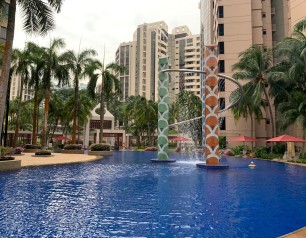
Typical facilities include:
Swimming pool
Gym
Security services
BBQ areas
Landscaped grounds
Typical common room rental:
SGD 1,000–1,600 per month
Typical master room rental:
SGD 1,700–2,500 per month
Many renters find condominium rooms worthwhile due to the improved living environment and facilities.
How Location Affects Rental Prices
Location remains one of the biggest factors influencing rental costs.
Prime Central Areas
Examples include:
Orchard
River Valley
Tanjong Pagar
Marina Bay
Rental rates in these areas are among the highest in Singapore due to proximity to business districts and lifestyle amenities.
City Fringe Areas
Examples include:
Queenstown
Geylang
Kallang
Paya Lebar
These areas often provide the best balance between accessibility and affordability.
Suburban Areas
Examples include:
Woodlands
Jurong
Yishun
Sembawang
Rental prices are generally lower but commuting times may be longer.
Why MRT Distance Matters More Than Many Renters Expect
Based on actual rental market behaviour, MRT accessibility often influences rental demand more than room size.
Properties located within walking distance of MRT stations consistently attract stronger demand and higher rental rates.
Many tenants are willing to pay an additional SGD 100–300 per month to reduce daily commuting time.
Before choosing a room, it is important to evaluate both rental cost and transportation convenience.
Additional Housing Costs Many Renters Overlook
Monthly rent is not the only housing expense.
Utilities
Utility expenses may include:
Electricity
Water
Gas
Typical utility costs range from SGD 80 to SGD 150 per month depending on usage and household size.
Air-Conditioning Usage
Air-conditioning is one of the largest contributors to electricity consumption in Singapore.
Heavy usage can significantly increase utility bills.
Internet
WiFi is often included in professionally managed co-living arrangements but may require separate payment in traditional rentals.
Cleaning Services
Some co-living operators include regular cleaning services within their monthly fees.
Professionally managed cleaning can improve hygiene and reduce disputes among residents.
Security Deposit
Most rentals require a security deposit before move-in.
Typical practice:
One month's rent for shorter leases
Two months' rent for longer leases
Although refundable, tenants should budget for this upfront cost.
Cost of Co-Living in Singapore
Co-living has become increasingly popular in Singapore as it provides a more convenient and professionally managed rental experience.
Many co-living operators provide:
Fully furnished rooms
WiFi
Maintenance support
Online booking systems
Professional management
Regular cleaning
The monthly rental cost is often slightly higher than traditional room rentals, but many renters find the convenience worthwhile.
Is Renting a Room Cheaper Than Renting Alone?
For most individuals, yes.
Renting a room allows tenants to access better locations and higher-quality properties without bearing the full cost of an entire apartment.
For example:
Master bedroom:
SGD 1,700–2,500
Entire one-bedroom condominium:
SGD 2,500–4,500+
The difference can easily exceed SGD 1,000 per month.
This is one reason why room rentals and co-living continue to grow in popularity among professionals and expatriates.
Common Mistakes When Budgeting for Rent
Many first-time renters underestimate the true cost of housing.
Some common mistakes include:
Focusing only on rental price
Ignoring utility expenses
Choosing properties far from MRT stations
Not accounting for security deposits
Overlooking maintenance quality
Underestimating commuting costs
A lower rental rate may not necessarily represent better value if daily transportation costs and inconvenience are significantly higher.
Practical Insights from Real Rental Operations
Based on actual rental operations in Singapore, several factors consistently influence tenant satisfaction and occupancy demand.
Properties located near MRT stations generally outperform larger properties located further away.
Tenants increasingly prioritize convenience, cleanliness, and maintenance responsiveness over simply finding the cheapest available room.
Transparent billing practices help reduce disputes, while professionally managed properties often achieve stronger occupancy rates and longer tenant retention.
Many renters initially focus on room size but later realize that management quality and location have a far greater impact on their daily living experience.
Is Renting in Singapore Still Worth It in 2026?
Despite rising housing costs, Singapore continues to attract professionals, students, and expatriates due to its strong economy, safety, infrastructure, and employment opportunities.
For many individuals, renting a room remains the most practical and financially sustainable housing option.
By carefully balancing rental cost, location, convenience, and property quality, tenants can still find good value within Singapore's competitive rental market.
Conclusion
The cost of renting in Singapore varies significantly depending on room type, property type, location, and included services. Budget compact rooms typically range from SGD 600–900, common rooms range from SGD 1,000–1,600, while master bedrooms generally range from SGD 1,700–2,500 per month.
Rather than focusing solely on rental price, renters should evaluate overall value, including MRT accessibility, management quality, maintenance responsiveness, cleanliness, and included services.
A well-managed property in a convenient location often provides a significantly better living experience than a cheaper alternative with poor maintenance and longer commuting times.
Understanding the full cost structure of renting in Singapore will help you make more informed housing decisions and avoid common budgeting mistakes.